Category: Ecommerce Growth & Strategy

  • Ecommerce Agency in Bangalore: D2C Growth Partners for Karnataka Brands

    Ecommerce Agency in Bangalore: D2C Growth Partners for Karnataka Brands

    Why Bangalore for D2C?

    Bangalore is India’s D2C capital:

    • 40% of India’s funded D2C brands are headquartered in Bangalore
    • Access to tech talent for website, app, and analytics needs
    • Strong startup ecosystem with mentors, investors, and communities
    • Excellent logistics infrastructure — Delhivery, BlueDart, and Shiprocket all have major hubs here
    • Affluent, tech-savvy customer base with high online shopping adoption

    D2C Brands We Work With in Bangalore

    We work with Bangalore-based D2C brands across categories:

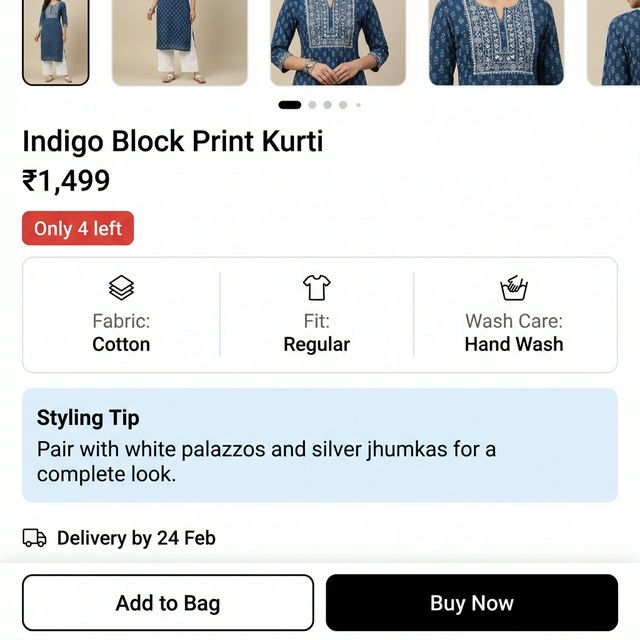
    • Fashion & apparel — Ethnic wear, sustainable fashion, athleisure
    • Beauty & wellness — Ayurvedic, clean beauty, supplements
    • Food & beverages — Specialty coffee, health snacks, artisanal products
    • Home & lifestyle — Decor, furniture, kitchen products

    Our Services

    Shopify Store Setup & Optimization

    • Custom Shopify store design optimized for Indian shoppers
    • Mobile-first checkout optimization
    • Payment gateway integration (Razorpay, Cashfree)
    • App and speed optimization

    Performance Marketing

    • Meta Ads (Facebook + Instagram) campaign management
    • Google Ads (Search + Shopping + YouTube)
    • Creative production — UGC, product videos, static ads
    • Monthly reporting with actionable insights

    Marketplace Management

    • Amazon and Flipkart seller account setup and optimization
    • Product listing, A+ content, PPC management
    • Quick commerce onboarding (Blinkit, Zepto, Instamart)

    Retention & CRM

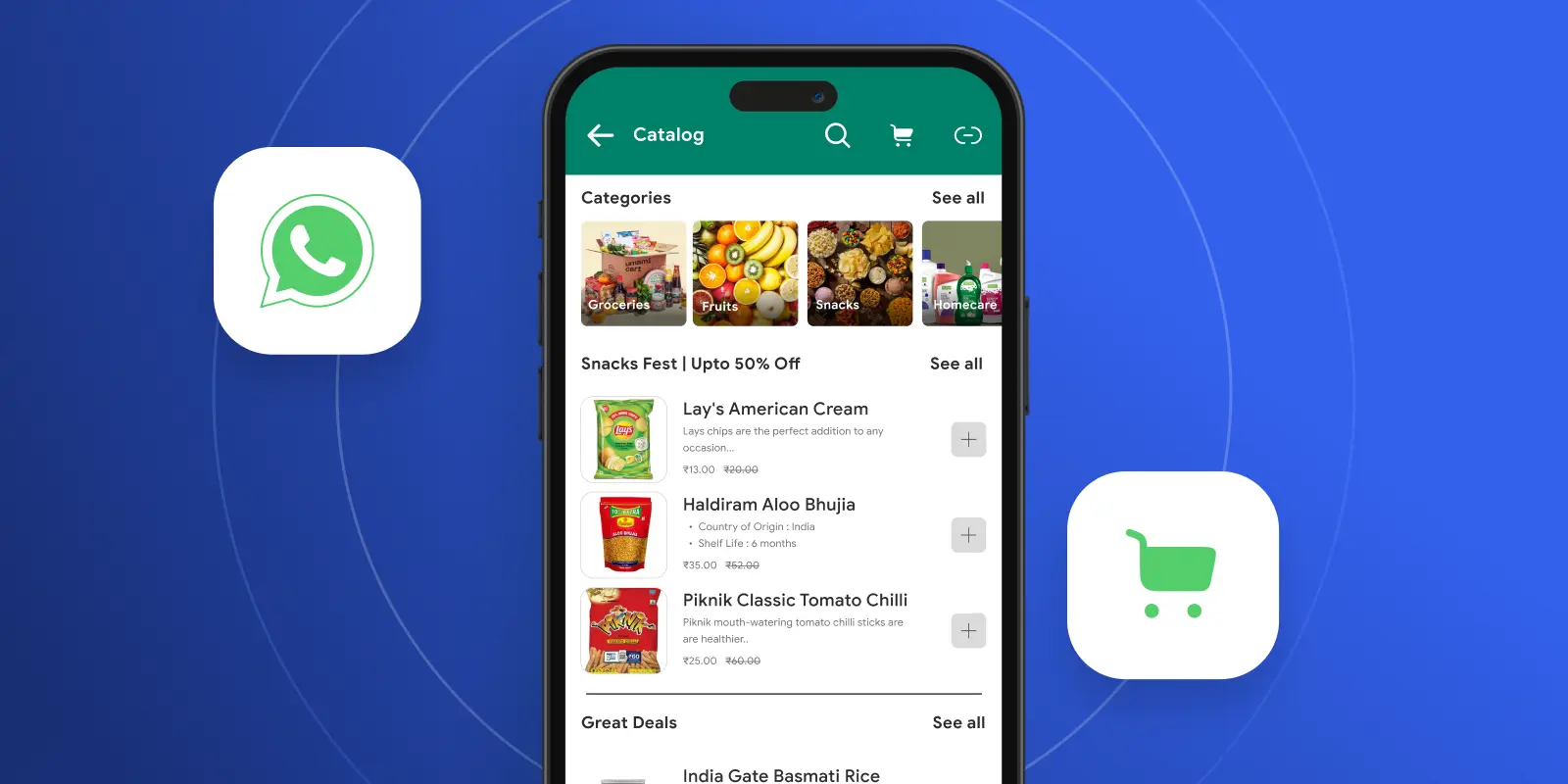
    • WhatsApp Business API setup and automation
    • Email marketing flows (Klaviyo/Omnisend)
    • Customer segmentation and loyalty programs
    • Subscription model implementation

    Why Growww Tech?

    • India-focused — We understand Indian customers, payment preferences, and logistics challenges
    • Data-driven — Every recommendation backed by numbers. No fluff, no vanity metrics.
    • Full-stack — Website + ads + marketplace + retention. One team, one strategy.
    • Transparent — Monthly reports with real numbers. No hidden dashboards or unclear reporting.

    Get Started

    If you’re a D2C brand in Bangalore looking for a growth partner, book a free strategy call. We’ll audit your current setup and share a growth roadmap — no commitment required.

    Related reading:

  • Quick Commerce Impact on D2C: How Zepto/Blinkit Changed Customer Expectations

    Quick Commerce Impact on D2C: How Zepto/Blinkit Changed Customer Expectations

    The Expectation Shift

    Quick commerce didn’t just create a new channel — it reset customer expectations across ALL channels:

    ExpectationBefore Quick CommerceAfter Quick Commerce
    Acceptable delivery time3-5 daysSame day / next day
    Tracking updatesOrder shipped, out for deliveryReal-time (every 30 minutes)
    Support response24 hoursUnder 1 hour
    Return initiationFill a form, wait for approvalInstant pickup scheduling
    Payment optionsCard, UPI, CODUPI intent (1-tap payment)

    Even if you’re not on Blinkit/Zepto, your customers are comparing your experience to theirs.

    How to Compete (Without Being a Quick Commerce Company)

    1. Same-Day or Next-Day Delivery in Key Cities

    • Partner with hyperlocal delivery services (Dunzo, Porter) for same-day delivery in your top 3-5 cities
    • Stock inventory in metro-city micro-warehouses (or use a 3PL with same-day capability)
    • Offer ‘Express Delivery’ as a paid upgrade (₹49-99 extra). Many customers will pay for speed.
    • At minimum: ensure dispatch within 4 hours of order for metro city orders placed before 2 PM

    2. Real-Time Order Tracking

    • Integrate shipping tracking that sends WhatsApp updates at every milestone
    • Show expected delivery date on product page (before purchase) and order confirmation
    • If delivery is delayed beyond EDD, proactively notify the customer BEFORE they ask

    3. Instant Customer Support

    • AI chatbot for immediate response (under 30 seconds) for common queries
    • WhatsApp support with human agents available during business hours
    • Target: first response within 15 minutes, resolution within 2 hours

    4. Frictionless Returns

    • One-click return initiation (no forms, no email, no phone call required)
    • Automatic reverse pickup scheduling within 24 hours
    • Refund processed within 3 business days (not 7-14 days)
    • Consider offering exchange-first flow (retains revenue)

    The Delivery Speed vs Cost Trade-Off

    Delivery SpeedAdditional Cost per OrderWhen to Offer
    Standard (3-5 days)₹0Default for all orders
    Express next-day₹50-100Metro cities, high-AOV orders
    Same-day₹100-200Top 3 cities, premium customers
    Quick (2-4 hours)₹150-300Only if hyperlocal delivery partner available

    Not every order needs same-day delivery. The key is giving customers the option and being transparent about timelines.

    What This Means for Your Strategy

    1. Speed is now a conversion factor — Add delivery speed estimate on product pages. ‘2-day delivery to your pincode’ can increase conversion 10-15%.
    2. Invest in post-purchase experience — Tracking, updates, support. The experience after checkout matters as much as before.
    3. Don’t try to be Blinkit — You can’t do 10-minute delivery. But you can do next-day, and that’s enough for most D2C categories.
    4. Use quick commerce platforms for applicable products — If your product fits (consumable, under ₹600), list on Blinkit/Zepto rather than trying to replicate their speed.

    Need Help With Delivery Optimization?

    At Growww Tech, we help D2C brands optimize their delivery experience and logistics. Let’s speed up your fulfillment.

    Related reading:

  • 2027 D2C Predictions: 10 Founders Share What They’re Betting On

    2027 D2C Predictions: 10 Founders Share What They’re Betting On

    The Question We Asked

    We reached out to 10 Indian D2C founders (ranging from ₹10L/month to ₹5Cr/month in revenue) with one question: ‘What’s the one thing you’re betting big on in 2027?’

    Here are their answers, grouped by theme.

    Theme 1: AI Everything (4 out of 10 founders)

    Founder 1: Beauty Brand, ₹40L/month

    ‘We’re going all-in on AI personalization. Our AI will recommend products based on skin type, climate, and purchase history. Early tests show 35% higher conversion on personalized product pages.’

    Founder 2: Fashion Brand, ₹1.2Cr/month

    ‘AI for creative production. We’re training AI on our best-performing ad creatives to generate variations at 10x speed. Our creative testing velocity will go from 10/week to 50/week.’

    Founder 3: Supplements Brand, ₹25L/month

    ‘AI customer support is saving us ₹1.5L/month already. In 2027, we’re expanding it to handle pre-purchase product recommendations — basically an AI sales assistant on WhatsApp.’

    Founder 4: Home Decor Brand, ₹15L/month

    ‘AR try-before-you-buy. Customers can see how a wall art piece looks in their room before ordering. This should cut our return rate by half.’

    Theme 2: Quick Commerce Expansion (3 out of 10)

    Founder 5: Snacks Brand, ₹60L/month

    ‘Quick commerce went from 0 to 25% of our revenue in 2026. In 2027, we’re creating quick-commerce-exclusive SKUs — smaller packs, impulse pricing, limited editions only on Blinkit/Zepto.’

    Founder 6: Personal Care Brand, ₹35L/month

    ‘We’re shifting 30% of our ad budget from Meta to quick commerce ads. The CPO (cost per order) on Blinkit ads is already lower than Meta for us.’

    Founder 7: Baby Care Brand, ₹20L/month

    ‘Quick commerce solved our biggest problem — ‘I need diapers NOW.’ Parents don’t plan purchases. 10-minute delivery is perfect for baby products.’

    Theme 3: Offline Expansion (2 out of 10)

    Founder 8: Ethnic Wear Brand, ₹2Cr/month

    ‘Opening 3 experience stores in tier-2 cities. Our online CAC in tier-2 is too high — customers there want to touch and try. A ₹2L/month store can do what ₹5L/month in ads can\’t.’

    Founder 9: Coffee Brand, ₹45L/month

    ‘Pop-up cafes at co-working spaces. People try our coffee, love it, scan QR → subscribe for monthly delivery. 40% conversion rate from tasting to subscription.’

    Theme 4: Community Over Ads (1 out of 10)

    Founder 10: Fitness Brand, ₹30L/month

    ‘We’re building a WhatsApp community of 10,000 fitness enthusiasts. Free workout plans, nutrition tips, challenges. The community sells our products without us running a single ad. Our target: 50% of revenue from community-driven sales by end of 2027.’

    Our Take

    The common thread across all 10 founders: reduce dependence on paid ads. Whether through AI, quick commerce, offline, or community — everyone is diversifying beyond Meta and Google.

    The D2C brands that thrive in 2027 won’t be the ones with the biggest ad budgets. They’ll be the ones with the strongest customer relationships and the most diverse revenue channels.

    Want to Plan Your 2027 Strategy?

    At Growww Tech, we help D2C brands build diversified growth strategies. Let’s plan your year.

    Related reading:

  • Growww Tech 2026 Retrospective: What Worked, What We’d Do Differently

    Growww Tech 2026 Retrospective: What Worked, What We’d Do Differently

    What Worked in 2026

    1. Content-Led Growth

    This blog you’re reading is part of the strategy. We published 100+ articles in 2026, driving 15,000+ monthly organic visitors to growwwtech.com. Blog readers convert to leads at 3x the rate of paid ad visitors.

    2. WhatsApp-First Client Communication

    We moved all client communication to structured WhatsApp groups (strategy, approvals, reporting). Response times dropped from 24 hours to 2 hours. Client satisfaction scores went up.

    3. Retention-First Strategy for Clients

    Every new client engagement now starts with retention audit before ads. This approach generated 40% more revenue for clients compared to our old ‘ads first’ approach — because we stopped leaking revenue from existing customers before pouring more water (ad spend) into the bucket.

    What Didn’t Work

    1. Standardized Packages

    We tried offering fixed ‘₹25K/month’ and ‘₹50K/month’ packages. They didn’t work because every D2C brand’s needs are different. A fashion brand needs completely different support than a food brand. We went back to custom proposals.

    2. Cold Outreach

    LinkedIn cold outreach and email campaigns generated minimal quality leads. The D2C founders who became our best clients came through content, referrals, and community — not cold messages.

    3. Trying to Do Everything

    We briefly offered website design, app development, and branding alongside our core ecommerce services. Spreading too thin hurt quality. We refocused on what we do best: ecommerce growth (ads, retention, operations).

    What Surprised Us

    • Quick commerce growth — We didn’t predict Blinkit/Zepto would become a meaningful channel for our clients this fast.
    • AI chatbot ROI — The speed at which AI chatbots reduced client support costs (40-60% within 3 months) exceeded our expectations.
    • Subscription commerce — Clients who implemented subscriptions saw 3x improvement in LTV. We’re making this a standard recommendation now.
    • Pinterest underperformance — Despite the data on Pinterest India’s growth, most of our clients saw minimal ROI. We’re still testing but with tempered expectations.

    Our 2027 Focus

    1. AI integration for every client — Chatbot, AI product descriptions, AI-assisted ad creation
    2. Quick commerce onboarding — Adding Blinkit/Zepto/Instamart as standard channel for FMCG clients
    3. Regional language content — Hindi product pages and ads for clients targeting tier 2-3 cities
    4. Subscription model implementation — Standard recommendation for consumable product brands
    5. More case studies, more transparency — Publishing monthly performance reports (anonymized) to build trust

    Want to Work With Us in 2027?

    If you’re an Indian D2C brand looking for honest, data-driven growth support, let’s talk about your 2027 goals.

    Related reading:

  • Top Ecommerce Tools of 2026: What We Actually Used (Not Affiliate Lists)

    Top Ecommerce Tools of 2026: What We Actually Used (Not Affiliate Lists)

    Our Criteria

    We’re listing ONLY tools we actually used for client projects in 2026. No affiliate links, no sponsored placements. Each tool is rated on: value for Indian D2C, ease of use, and actual ROI.

    Website & Store

    ToolWhat We Used It ForRatingNotes
    ShopifyPrimary ecommerce platform9/10Still the best for Indian D2C. Shopify Payments India improved significantly in 2026.
    Shopify PlusEnterprise D2C brands8/10Worth it above ₹50L/month revenue. Checkout customization and automation are game-changers.
    WooCommerceBudget brands, content-heavy sites7/10Good if you have a developer. Not recommended for non-technical founders.

    Marketing

    ToolWhat We Used It ForRatingNotes
    Meta Ads ManagerFacebook + Instagram advertising8/10Still the #1 paid channel for D2C. Advantage+ campaigns improved significantly.
    Google AdsSearch + Shopping + YouTube8/10Essential for high-intent buyers. Performance Max campaigns work well for D2C.
    KlaviyoEmail marketing9/10Best email tool for D2C. Shopify integration is seamless. Revenue attribution is excellent.
    InteraktWhatsApp Business API8/10Our go-to for WhatsApp commerce and automation. Indian company, good support.

    Analytics & Data

    ToolWhat We Used It ForRatingNotes
    Google Analytics 4Website analytics7/10Powerful but complex. Setup right and it’s invaluable. Most brands only use 20% of its features.
    HotjarHeatmaps and session recordings8/10Revealed checkout drop-off points that GA4 couldn’t. Worth the investment for CRO.
    Triple WhaleAd attribution7/10Better attribution than Meta’s own reporting. Expensive but valuable above ₹2L/month ad spend.

    Operations & Logistics

    ToolWhat We Used It ForRatingNotes
    ShiprocketShipping aggregation7/10Most used shipping solution for Indian D2C. Good courier options, API needs work.
    UnicommerceOrder management / OMS8/10Best OMS for Indian multi-channel sellers. Worth it at 200+ orders/day.
    RazorpayPayment gateway8/10Market leader for a reason. Magic Checkout is a real conversion booster.

    Creative & Content

    ToolWhat We Used It ForRatingNotes
    CanvaQuick design, social media graphics9/10Indispensable. Even brands with designers use Canva for quick social content.
    CapCutVideo editing for Reels/ads8/10Free and powerful. Most UGC-style ad creatives were edited in CapCut.
    ChatGPT/ClaudeProduct descriptions, ad copy, content8/10Saved hours of writing. Needs human editing but excellent first drafts.

    Customer Support

    ToolWhat We Used It ForRatingNotes
    FreshdeskTicket management7/10Solid help desk. Freddy AI integration handles routine queries well.
    TidioWebsite chat + chatbot7/10Good for small brands. Easy setup, affordable. Outgrown at 500+ queries/day.

    Tools We Stopped Using in 2026

    • Mailchimp — Switched to Klaviyo. Mailchimp’s ecommerce features are too basic for D2C.
    • Buffer/Hootsuite — Most brands post natively now. Scheduling tools add little value when you’re posting 1-2 times/day.
    • Zapier (for most use cases) — Shopify Flow replaced most Zapier workflows for free. Only kept Zapier for non-Shopify integrations.

    Need Help With Your Tech Stack?

    At Growww Tech, we set up and optimize the complete tech stack for Indian D2C brands. Let’s build your stack.

    Related reading:

  • How to Write a D2C Business Plan That Investors Actually Read (Template Included)

    How to Write a D2C Business Plan That Investors Actually Read (Template Included)

    What Investors Actually Want to See

    Indian D2C investors (angel investors, micro-VCs, and seed funds) don’t want a 40-page business plan. They want:

    1. A clear problem statement — What pain are you solving? For whom?
    2. Evidence of traction — Revenue, orders, growth rate, retention metrics
    3. Unit economics that work — Can you acquire a customer profitably?
    4. A defensible moat — Why can’t someone copy this tomorrow?
    5. A realistic financial projection — Not a hockey stick, not a fantasy. Show you understand the math.

    The 1-Page Business Plan Format

    Section 1: Problem (3 sentences)

    What specific problem exists for a specific customer segment? Be concrete: ‘[Customer type] struggles with [specific pain] because [root cause]. The current alternatives are [list] but they fail because [reason].’

    Section 2: Solution (3 sentences)

    What are you building? How does it solve the problem differently? What makes your approach unique?

    Section 3: Traction (Numbers Only)

    MetricYour Number
    Monthly revenue₹___
    Monthly orders___
    Month-over-month growth___%
    Repeat purchase rate___%
    Customer acquisition cost₹___
    Average order value₹___
    Gross margin___%

    Section 4: Market Size

    • TAM (Total Addressable Market): The entire category in India
    • SAM (Serviceable Addressable Market): The segment you can realistically reach
    • SOM (Serviceable Obtainable Market): What you can capture in 3 years
    • Example: TAM ₹50,000Cr → SAM ₹5,000Cr → SOM ₹50Cr

    Section 5: Business Model

    How do you make money? Show the unit economics:

    • Revenue per order: ₹___
    • COGS: ₹___ (___%)
    • Shipping: ₹___
    • Payment gateway: ₹___
    • Customer acquisition cost (blended): ₹___
    • Gross profit per order: ₹___ (___%)
    • Net profit per order (after overhead): ₹___

    Section 6: Team

    Who’s building this? Highlight relevant experience — not just education. Investors back founders who understand their customer deeply.

    Section 7: Ask

    How much are you raising? What will you use it for? What milestones will you hit with this capital?

    Financial Projection Template (3-Year)

    Year 1Year 2Year 3
    Monthly orders (end of year)5002,0005,000
    Average order value₹1,500₹1,800₹2,000
    Annual revenue₹50L₹3Cr₹10Cr
    Gross margin45%50%55%
    Marketing spend (% of revenue)35%25%18%
    Team size3815
    Net profit/loss-₹10L+₹15L+₹80L

    Key: Show a path to profitability. Indian D2C investors in 2027 care more about sustainable unit economics than growth at all costs.

    Common Mistakes in D2C Business Plans

    • Claiming ‘no competition’ — There’s always competition. Acknowledge it and explain your differentiation.
    • Unrealistic TAM claims — ‘India’s retail market is $800 billion’ is not your TAM. Be specific.
    • Ignoring unit economics — ‘We’ll figure out margins at scale’ is not a strategy. Show profitable unit economics from day one.
    • No customer validation — Investor meetings with zero revenue and zero customers rarely work in 2027. Get to ₹1L/month in revenue before pitching.
    • Over-designed decks — Substance over style. A clear Google Slides deck with real numbers beats a beautifully designed deck with vague projections.

    Need Help With Your D2C Strategy?

    At Growww Tech, we help D2C brands build business plans, optimize unit economics, and prepare for growth. Let’s build your strategy.

    Related reading:

  • Ecommerce Trends 2027: What Survived the Hype and What’s Actually Coming

    Ecommerce Trends 2027: What Survived the Hype and What’s Actually Coming

    Trends That Survived the Hype

    1. Quick Commerce Is Here to Stay

    Quick commerce wasn’t a fad. Blinkit, Zepto, and Instamart hit $8 billion combined GMV in 2026. For FMCG D2C brands, this is now a mandatory channel.

    • 10-minute delivery expectation is spreading beyond groceries to beauty, personal care, and small electronics
    • Dark store density in metros means near-instant availability
    • D2C brands on quick commerce report 15-25% of total revenue from this channel

    2. AI in Ecommerce Operations

    AI went from ‘future promise’ to ‘daily tool’ in 2026:

    • AI chatbots handling 60-70% of customer support queries
    • AI-generated product descriptions saving hours of catalog work
    • Predictive inventory management reducing stockouts by 30-40%
    • AI-powered ad creative testing finding winners 3x faster

    3. WhatsApp Commerce

    • WhatsApp is India’s primary messaging app with 500M+ users
    • D2C brands generating 10-20% of revenue through WhatsApp (catalog, broadcast, payment links)
    • WhatsApp Business API costs have dropped, making it accessible to smaller brands

    Trends That Fizzled

    1. Metaverse Commerce

    Virtual stores, NFT loyalty programs, AR shopping — none of these gained meaningful traction in India. Indian consumers want fast delivery and good prices, not virtual experiences.

    2. Voice Commerce

    ‘Alexa, order my shampoo’ never became a significant ecommerce channel. Too much friction, too little trust for new purchases.

    3. Crypto Payments

    Despite the hype, cryptocurrency payments remain irrelevant for Indian D2C. Regulatory uncertainty and UPI’s dominance killed any momentum.

    Emerging Trends for 2027

    1. AI-First Customer Experience

    • Personal shopping assistants powered by AI (chat-based product recommendation)
    • Dynamic pricing based on customer segment, time of day, and demand
    • Hyper-personalized email/WhatsApp content generated by AI for each customer segment

    2. Subscription-First D2C

    • More brands building around recurring revenue models
    • Subscribe-and-save becoming standard for consumable products
    • Subscription boxes evolving from novelty to serious revenue channel

    3. Regional Language Commerce

    • Hindi ecommerce searches growing 40% YoY
    • Tamil, Telugu, and Marathi product pages showing 20-30% higher conversion for regional audiences
    • Voice search in regional languages becoming discovery channel

    4. Unified Commerce (Beyond Omnichannel)

    • Not just ‘sell everywhere’ but ‘one customer profile everywhere’
    • Customer buys online, returns in-store, gets recommendation based on both interactions
    • Shopify POS + online + marketplace data in one view

    5. Sustainable Commerce (Finally Real)

    • Not just greenwashing — customers actually checking and comparing sustainability claims
    • Packaging waste reduction becoming a differentiator
    • Carbon-neutral shipping options gaining traction (even at slight premium)

    What This Means for Your D2C Brand

    1. Invest in AI tools now — Start with customer support chatbot and AI product descriptions. Low cost, immediate ROI.
    2. Add quick commerce if you sell FMCG — This is no longer optional for food, beauty, and personal care brands.
    3. Build WhatsApp as a revenue channel — Not just for support — for selling, broadcasting, and retention.
    4. Don’t chase metaverse/crypto — Focus on channels where your customers actually shop.
    5. Test regional language content — Even 5 product pages in Hindi can reveal untapped demand.

    Need Help Preparing for 2027?

    At Growww Tech, we help Indian D2C brands stay ahead with the strategies that matter. Let’s plan your 2027 strategy.

    Related reading:

  • Your First 5 Ecommerce Hires: Who, When, and What to Pay (2026 Salary Data)

    Your First 5 Ecommerce Hires: Who, When, and What to Pay (2026 Salary Data)

    The Hiring Sequence Matters

    Most D2C founders make the same mistake: they hire based on what’s urgent, not what’s strategic. Then they end up with 3 people in marketing and nobody handling operations.

    Here’s the optimal hiring sequence based on what we’ve seen work across 50+ Indian D2C brands:

    Hire #1: Operations/Fulfillment Person (at 50+ orders/day)

    DetailSpecification
    RoleOperations Executive / Fulfillment Manager
    Salary range₹15,000-25,000/month
    When to hireWhen YOU are spending 3+ hours/day on packing, shipping, and order management
    Key skillsOrganized, detail-oriented, comfortable with Shopify/OMS, basic Excel
    First taskTake over daily order processing: pick → pack → ship → track

    This hire frees the founder to focus on growth instead of packing boxes.

    Hire #2: Customer Support / Community Manager (at 100+ orders/day)

    DetailSpecification
    RoleCustomer Support Executive
    Salary range₹12,000-20,000/month
    When to hireWhen customer queries take 2+ hours/day and response times are slipping
    Key skillsExcellent communication (English + Hindi), empathetic, WhatsApp/email proficient, basic product knowledge
    First taskHandle all customer queries: WhatsApp, email, Instagram DMs. Maintain under 30-minute response time.

    Hire #3: Performance Marketing Manager (at 200+ orders/day)

    DetailSpecification
    RoleDigital Marketing Executive / Performance Marketer
    Salary range₹25,000-50,000/month (experience-dependent)
    When to hireWhen ad spend exceeds ₹1L/month and you can’t optimize daily
    Key skillsMeta Ads, Google Ads, basic analytics, creative briefing, A/B testing
    First taskTake ownership of Meta + Google ad campaigns. Daily optimization, weekly creative testing, monthly performance reporting.

    Hire #4: Creative / Content Person (at 300+ orders/day)

    DetailSpecification
    RoleContent Creator / Graphic Designer
    Salary range₹18,000-35,000/month
    When to hireWhen creative fatigue is hurting ad performance and you need fresh content weekly
    Key skillsCanva/Photoshop, basic video editing (CapCut/Premiere), product photography, copywriting
    First taskProduce 5-10 ad creatives per week (mix of static and video). Manage Instagram content calendar.

    Hire #5: Finance / Operations Manager (at 500+ orders/day)

    DetailSpecification
    RoleFinance & Ops Manager
    Salary range₹30,000-50,000/month
    When to hireWhen inventory management, cash flow, and vendor payments become complex
    Key skillsTally/Zoho Books, GST filing basics, inventory management, vendor negotiation, Excel advanced
    First taskSet up proper accounting, manage vendor payments, track inventory costs, reconcile marketplace settlements.

    Where to Find Talent

    SourceBest ForCost
    LinkedInMarketing hires, experienced opsFree to post
    InternshalaEntry-level, interns₹500-2,000/listing
    NaukriOperations, finance₹5,000-15,000/listing
    Instagram/TwitterCreative rolesFree (post on your brand account)
    ReferralsAll rolesBest quality, zero cost

    Common Hiring Mistakes

    • Hiring too senior too early — You don’t need a ‘VP of Marketing’ at ₹80K/month. You need a scrappy performance marketer at ₹30K who’ll run campaigns themselves.
    • Hiring for potential, not execution — At this stage, hire people who CAN DO the work, not people who can ‘strategize’ about it.
    • Not having SOPs before hiring — If you don’t document your processes before hiring, you’ll spend 3 months training instead of growing. Document first, hire second.
    • Hiring a ‘marketing agency’ instead of a person — At ₹1-5L/month ad spend, one good in-house marketer beats any agency. Agencies add value above ₹5L/month spend.

    Need Help Building Your Team?

    At Growww Tech, we help D2C brands build efficient teams and set up the processes they need. Let’s structure your growth team.

    Related reading:

  • Online-to-Offline Inventory Sync: The System Integration Nightmare (And Solutions)

    Online-to-Offline Inventory Sync: The System Integration Nightmare (And Solutions)

    The Sync Problem

    When you sell across Shopify + Amazon + Flipkart + a physical store, inventory management becomes a nightmare:

    • Customer buys last piece on Shopify → but it’s already sold in your store 5 minutes ago → oversold → cancellation → angry customer
    • You keep ‘safety stock’ for each channel → under-selling → dead capital tied up in buffer inventory
    • Returns from marketplace arrive at warehouse → but website shows ‘out of stock’ → lost sales
    • Manual updates take hours and are error-prone — one wrong number cascades across channels

    Solution Approaches

    Approach 1: OMS as Single Source of Truth

    • Use an Order Management System (Unicommerce, Vinculum) as the central inventory hub
    • All channels (Shopify, Amazon, Flipkart, POS) connect to the OMS
    • OMS updates inventory across all channels in real-time (within 5-15 minutes)
    • Cost: ₹8K-25K/month
    • Best for: brands selling on 3+ channels with 200+ orders/day

    Approach 2: Shopify as Hub + Apps

    • Use Shopify as the central inventory system
    • Connect Amazon/Flipkart via apps (CedCommerce, Unicommerce Shopify app)
    • Use Shopify POS for offline sales (syncs automatically)
    • Cost: ₹3K-8K/month (app subscriptions)
    • Best for: brands with Shopify as primary channel, 50-200 orders/day

    Approach 3: ERP Integration

    • Use Zoho Inventory or Tally with ecommerce plugins
    • Full business management including inventory, accounting, and invoicing
    • Cost: ₹5K-15K/month
    • Best for: brands that need accounting + inventory in one system

    Tool Comparison for Omnichannel Inventory

    ToolChannels SupportedReal-Time SyncPOS SupportPrice
    UnicommerceShopify, Amazon, Flipkart, Myntra, ONDCYes (near real-time)Yes₹8K+/mo
    VinculumAll major channelsYesYes₹15K+/mo
    CedCommerceShopify ↔ Amazon/Flipkart5-15 min delayNo₹5K+/mo
    Shopify POSShopify + retailInstant (Shopify only)Yes (native)₹3K+/mo
    Zoho InventoryMajor channels15-30 minVia Zoho POS₹5K+/mo

    Implementation Tips

    1. Start with 2 channels, not 5 — Get Shopify + Amazon sync working perfectly before adding Flipkart, POS, etc.
    2. Set buffer stock per channel — Even with real-time sync, keep a 5-10% buffer. Sync delays can cause overselling during flash sales.
    3. Audit weekly — Physical stock count vs system count. Fix discrepancies immediately.
    4. Plan for returns — Define: where do returns go? Which channel’s inventory gets updated? How quickly?
    5. Test during low-traffic hours — Don’t go live with a new sync system during a sale event.

    Need Help With Omnichannel?

    At Growww Tech, we implement omnichannel inventory systems for D2C brands. Let’s sync your channels.

    Related reading:

  • Year-End Tax Planning for Ecommerce: What Your CA Probably Isn’t Telling You

    Year-End Tax Planning for Ecommerce: What Your CA Probably Isn’t Telling You

    Why Ecommerce Tax Planning Is Different

    Your CA handles hundreds of clients — most are traditional businesses. Ecommerce has unique tax implications that many CAs miss:

    • TCS credits from marketplaces — Often unclaimed, tying up working capital
    • Digital marketing expenses — Meta ads, Google ads, SaaS tools — all deductible but often not properly categorized
    • Inventory write-offs — Damaged/returned products can be written off but need proper documentation
    • GST input credit on international services — Shopify, Canva, and other foreign SaaS tools charge GST that you can claim back

    10 Tax Savings Most Ecommerce Sellers Miss

    1. Claim All Digital Marketing Spend

    • Meta Ads, Google Ads, influencer payments — all are business expenses
    • Ensure they’re invoiced to your business entity (not personal credit card)
    • GST paid on domestic ad services is claimable as input credit

    2. Marketplace TCS Credit

    • Amazon, Flipkart, Meesho deduct 1% TCS
    • This is YOUR money — claim it in GSTR-3B
    • See our TCS reconciliation guide for step-by-step instructions

    3. SaaS Tool Expenses

    • Shopify subscription, email marketing tools, analytics tools, design tools
    • All deductible as business expenses
    • If billed by a foreign company, check if GST reverse charge applies

    4. Home Office Deduction

    • If you operate from home, a portion of rent, electricity, and internet is deductible
    • Calculate: (workspace area / total home area) × rent/bills
    • Keep utility bills in your name or business name

    5. Inventory Write-Off

    • Damaged, expired, or unsaleable products can be written off
    • Document: take photos, maintain a register of written-off items
    • Get CA to properly account for inventory shrinkage

    6. Depreciation on Equipment

    • Laptop, camera, packaging equipment, furniture — all depreciable assets
    • Claim accelerated depreciation where applicable
    • Even smartphones used for business qualify

    7. Shipping Expenses

    • All courier and logistics costs are deductible
    • Download annual shipping reports from Shiprocket/Delhivery for documentation
    • RTO shipping costs are also deductible (both forward and reverse)

    8. Professional Services

    • CA fees, legal fees, consulting fees — all deductible
    • Photography and content creation services for product listings
    • Web development and design services

    9. Employee Benefits Under New Tax Regime

    • If you have employees: NPS employer contribution (up to 10% of salary) is deductible for the business
    • Health insurance premiums paid for employees are deductible
    • Training and skill development expenses are deductible

    10. Advance Tax Payment Optimization

    • If income is seasonal (festive season peak), plan advance tax installments accordingly
    • Avoid interest on late advance tax by paying correct estimates quarterly
    • Use festive season profits to prepay advance tax in December quarter

    Year-End Checklist (Before March 31)

    1. ☐ Reconcile all marketplace TCS credits
    2. ☐ Verify GST input credit matches purchase invoices
    3. ☐ Document inventory write-offs with photos and records
    4. ☐ Ensure all business expenses are invoiced to business entity
    5. ☐ Calculate home office deduction if applicable
    6. ☐ Review advance tax payments — pay any shortfall before March 15
    7. ☐ Download annual reports from all platforms (Shopify, Amazon, Flipkart, courier partners)
    8. ☐ Share all documentation with CA before March 20

    Need Help With Ecommerce Accounting?

    At Growww Tech, we connect D2C brands with CAs who specialize in ecommerce taxation. Get your taxes optimized.

    Related reading: